You're Not a Low-Energy Person. You're an Under-Resourced One.

By Zoe Schwartz, ACE Certified Personal Trainer and Behavior Change Specialist
· 4 min read
The client stories on this site are real. Names and identifying details are changed to protect privacy.
If you sleep enough and still feel flat, the answer probably isn't more rest.
When energy is low, the default assumption is: sleep more, stress less, maybe try a new supplement. Those aren't wrong exactly, but they're the wrong starting point if your body isn't being given enough to work with in the first place.
Take one of my clients, Lauren, a healthy woman in her early 30s about 18 months postpartum. What brought her to me was chronic low energy and not feeling strong. Then she told me she was sleeping well.
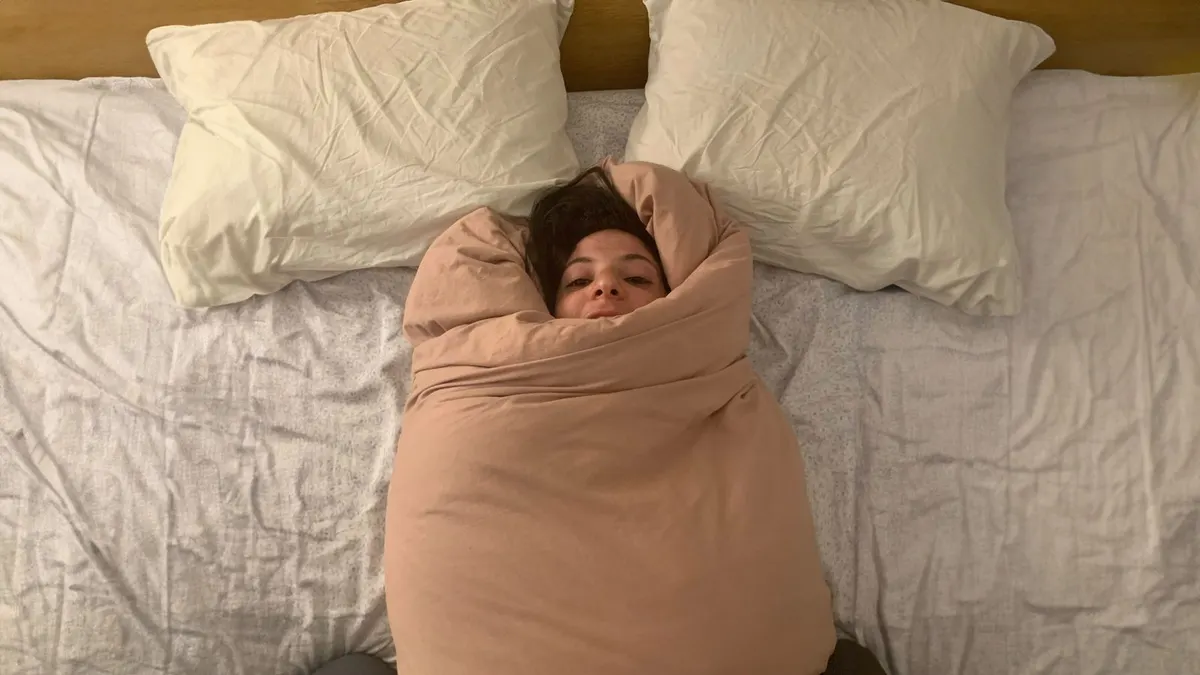
She said it the way people say things they've accepted as permanent: “By the time we put my daughter to bed, I'm exhausted, even if I did nothing. I just want to lay on the couch.” Postpartum, working from home full time, a toddler, and still running on empty by 7pm.
Why sleeping well and feeling exhausted aren't a contradiction
Sleep is recovery. But recovery from what?
Lauren was sleeping well. She was also skipping breakfast most mornings, grabbing coffee and getting on her laptop first thing, eating lunch inconsistently, and barely leaving her apartment: she works from home five days a week with a toddler, so her sedentary days were very sedentary.
She wasn't tired because she was doing too much. Her body had nothing to produce energy for.
This is the version of exhaustion that could get misconstrued for burnout, but it responds to something completely different. It responds to demand. (If your sleep quality is poor or inconsistent, check out the 10-3-2-1-0 framework here to rule sleep out first.)
The three inputs that were keeping her exhausted, and how we changed them
When I started working with Lauren, she had a gym membership she'd used three times in the past six months. She couldn't even ballpark estimate how many grams of protein she was getting each day. (If that's you too, don't worry: it's been true of every woman I've worked with at the start.)
Research suggests most women eating a typical non-tracked diet land somewhere in the 40–70 gram range daily. The International Society of Sports Nutrition's position on protein puts the target for someone training and trying to build or maintain muscle closer to 1.4–2.0 grams per kilogram of bodyweight per day, spread across meals. For Lauren's bodyweight, that put her real target closer to 100 grams a day.
Together, we changed three things:
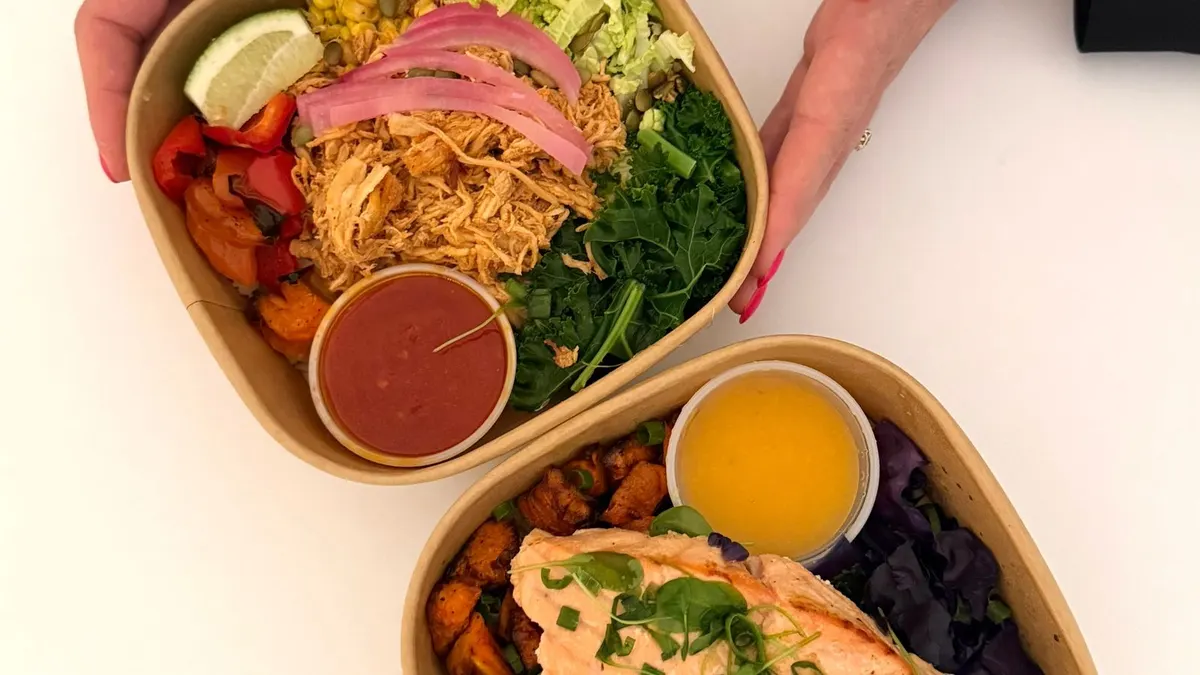
1. Protein at every meal. No diets, no tracking forever, just two weeks of real data to see where she actually stood, then making protein the anchor of breakfast and lunch the way it already was at dinner. Eggs on an English muffin with turkey and cheese. A protein shake on a busy morning. Greek yogurt with lunch. Chicken in the salad, not optional. Once she had a feel for what a protein-forward meal looked like (protein primarily from whole foods, meals rich in colorful produce and fiber), we figured out how to eat takeout without guilt. She stopped tracking once she knew what worked, and only logs now to flag something that doesn't.
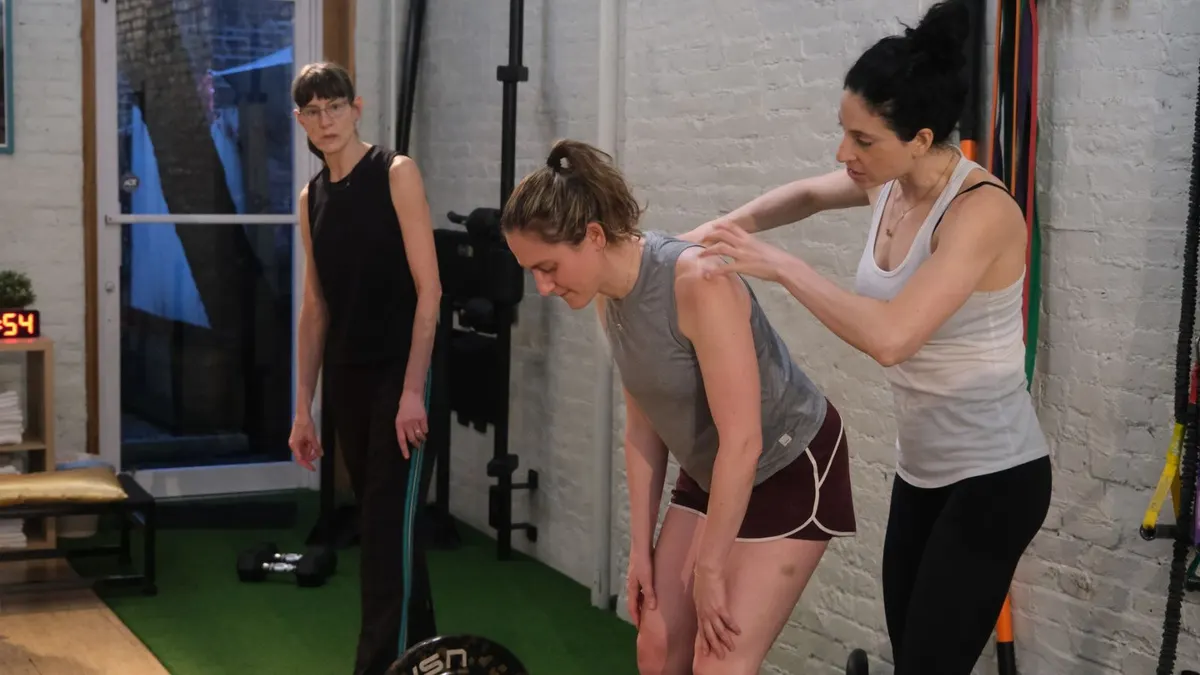
2. Strength training twice a week. Not five days. Not an hour. Two sessions, gym-based, around 30 to 40 minutes, progressive, meaning the weights go up over time as she gets stronger. That's it.
3. Consistent daily movement. Not 10,000 steps. That number originated as a 1965 Japanese pedometer marketing campaign, not a clinical threshold. The goal was closing the gap between her most sedentary weekdays, where she barely left the apartment, and her more active weekends. A realistic 5,000 step average, consistent across the week, rather than the feast-or-famine pattern she'd fallen into.
Eight weeks later, Lauren told me her energy was up. Here's what she actually did.
She went from three gym visits in six months to twice a week, consistently, adapted around travel and an international work trip. She went from skipping lunch and running on coffee to eating meals like eggs and turkey on an English muffin for breakfast, chicken and orzo salad with feta for lunch, shrimp curry with rice for dinner. Not a diet. Just food that fuels what she's asking her body to do.
She could carry her daughter up the stairs in the stroller, something she used to dread entirely.
She didn't overhaul her life. She added protein to meals she was already eating, showed up to the gym twice a week, and stopped treating movement as optional on the days she worked from home.
The exhaustion didn't require more rest. It required more input.
If your energy feels like Lauren's did, here's where to start
Energy is an output. If the inputs are missing, that's not a character flaw. It's a solvable resourcing problem.
(Never questioned the "eat less" instinct itself? See: Why the Diet Advice You Grew Up With Doesn't Work on Your Body Now.)
If you want to understand what your body is actually running on, let's figure it out together. Book a free Wellness Strategy Session
Key takeaways
- Sleeping well and feeling exhausted aren't a contradiction. Sleep is recovery, but energy is an output.
- Protein at every meal: make protein the anchor of breakfast and lunch the way it already is at dinner.
- Strength training twice a week, around 30 to 40 minutes, progressive.
- Consistent daily movement: a realistic 5,000 step average, consistent across the week, rather than a feast-or-famine pattern.
Quick answers
Why am I always tired even though I get enough sleep?
Sleeping well and feeling exhausted aren't a contradiction. Sleep is recovery, but energy is an output. If the inputs are missing, the exhaustion doesn't require more rest. It requires more input.
How can I get more energy without sleeping more?
Lauren changed three things: protein at every meal, strength training twice a week, and consistent daily movement. She added protein to meals she was already eating, showed up to the gym twice a week, and stopped treating movement as optional on the days she worked from home.
Do I really need 10,000 steps a day?
Not 10,000 steps. That number originated as a 1965 Japanese pedometer marketing campaign, not a clinical threshold. Lauren's goal was a realistic 5,000 step average, consistent across the week.
Sources
This post is general education from my coaching practice. It is not medical advice. Client stories are individual experiences, shared with care, and are not a guarantee of results.