I've Checked My Stomach in the Mirror Every Day Since I Was Sixteen. Here's What Finally Changed.

By Zoe Schwartz, ACE Certified Personal Trainer and Behavior Change Specialist
· 5 min read
The bad habit didn't go away. My relationship to what I saw did, and I want to tell you exactly how, because it's not the story you usually hear in this space.
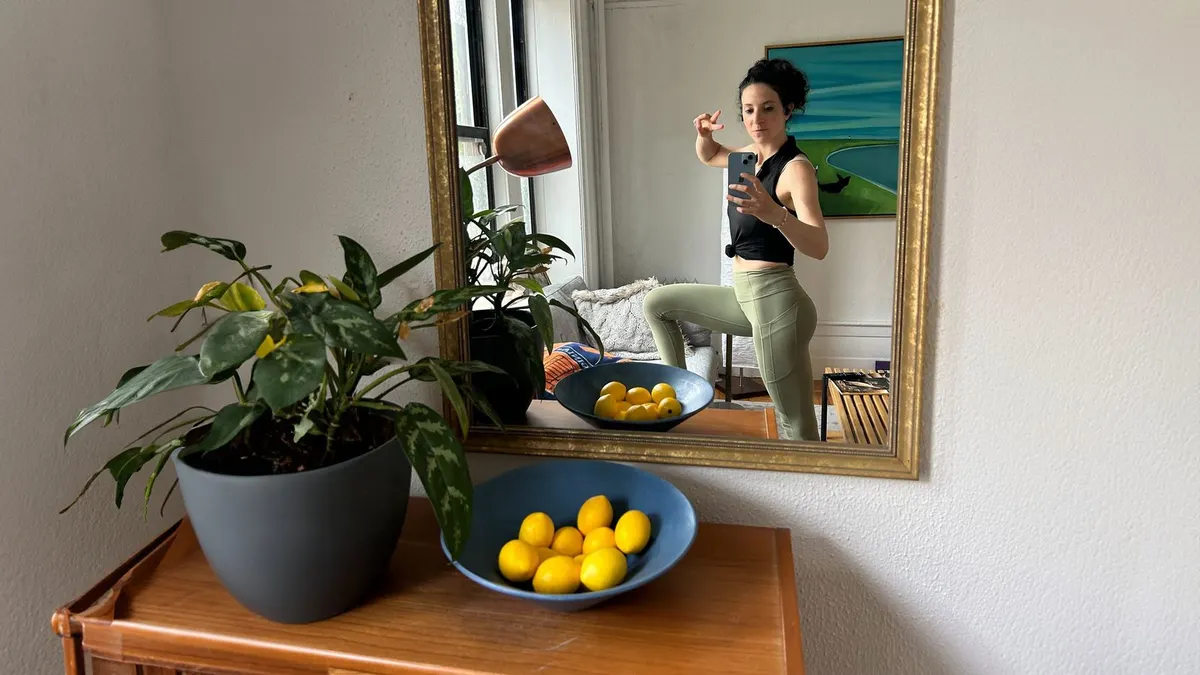
Since I was about sixteen, whenever I pass a mirror alone, which is several times a day, I lift my shirt and check my stomach. As if whatever I ate or however I moved that day will show up on my body in real time, even though I know that's not how it works. It started as something disordered. After years of real work, it became just a bad habit. But it never stopped.
When I was a teenager, the answer was always: Your stomach is fat. Now it's more like: Still got it. Do I wish I could tell you I simply changed my mindset and stopped the autopilot check? Yes. Yet this isn't the story where I learned to love my body regardless of how it looks. It's the story of building a body, mind, and spirit, all three, worth being proud of, through years of consistent practice. That's a different claim than you usually hear in this space, and it shapes how I experience the world and how I show up as a coach.
The shift didn't come from a mindset change alone. It came from years of significant investment from my parents in therapy, outpatient treatment and a nutritionist, me evolving my relationship with exercise through experience and being later called to coach, and then one specific moment where something finally clicked.
The moment I realized I'd outgrown the last remnant
Four years ago, my then-boyfriend pointed out that I tended to break bread into small pieces while I ate and sometimes leave scraps behind. It wasn't a critique; it was a small, accurate observation of a lingering habit I wasn’t even aware of, which felt shocking because I’d been recovered for over a decade at this point.
He shared how he assembled meals on a busy schedule: a baked potato loaded with Greek yogurt and chives; whole wheat pasta with tomato sauce, rotisserie chicken, and vegetables; a big colorful salad. Almost no prep, no cleanup, all whole foods.
He was right. But the real turning point wasn't the meal ideas. It was my reaction to them. I already know this. I'm a teacher now. This is on me.
By now I'd been a certified fitness professional for the past seven years, coached real people through Fitness by Zoe on the side while working full-time climbing the corporate ladder in the industry as a Marketing Director at Tough Mudder, Equinox, and SoulCycle. I went through two premier eating disorder programs my senior year of high school: weekly weigh-ins, therapy, exercise restriction and continued working with a registered dietitian and therapist through high school and college. I'm grateful my parents recognized what was happening early enough to get me into treatment. I've seen wellness from every level.
I was in my thirties. I'd done all the work. I healed from it. And I was still breaking bread into pieces.
I took ownership in that moment because I realized I'd outgrown the last remnant of an earlier version of myself. So I did something about it.
The skill isn't never drifting: it's noticing when you are
When I'm more stressed or more tired, I'm more likely to drift back toward old patterns without fully realizing it. You don't need a crisis to embrace healthy habits. But you do need to notice when you've quietly stopped.
The skill isn't never drifting. It's recognizing when and why, and adjusting quickly. Continually learning and adapting is success, not failure.
You never arrive. You keep practicing.
What changed on the training side, and the irony of it
Throughout my life, I've shown up: happy, dead tired, angry, sad, busy, whether I felt like it or not. Where I actually struggled was restraint: a false belief that enough wasn't enough, and that doing the most was what healthy required.
The real shift came from changing the question itself, from What do I want my body to look like to How can I perform and feel athletic and well-rounded? Even better: How can I use my body to help others, move furniture, haul boxes, give someone a literal hand when they need one. It stopped being just for me.
I started pruning my programming and focused on skill development and a spirit of play, like toe pull-offs from the wall because I want to overcome my fear of inversions or pike push-ups because one day I may want to walk on my hands. I have no idea what that feels like yet. But I can take one toe off the wall and trust that leads me there.
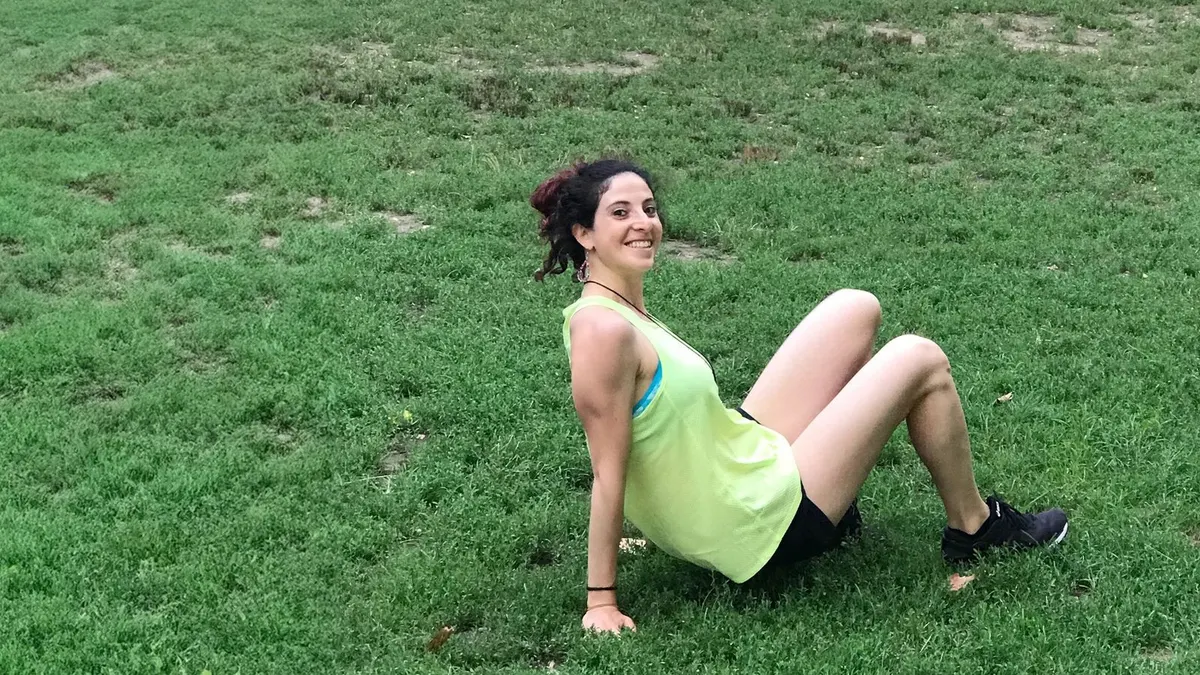
The irony: when I stopped training to look a certain way, I looked better. One day I lifted my shirt and thought: Hot dang, I look good. Not because I'd finally done enough. Because I'd stopped doing too much, and my body was relieved.
There's a version of training that gets results and feels good during the session, not only hours or days later once you've survived it. That's the legacy my clients and I are building for ourselves.
How this shapes the way I coach
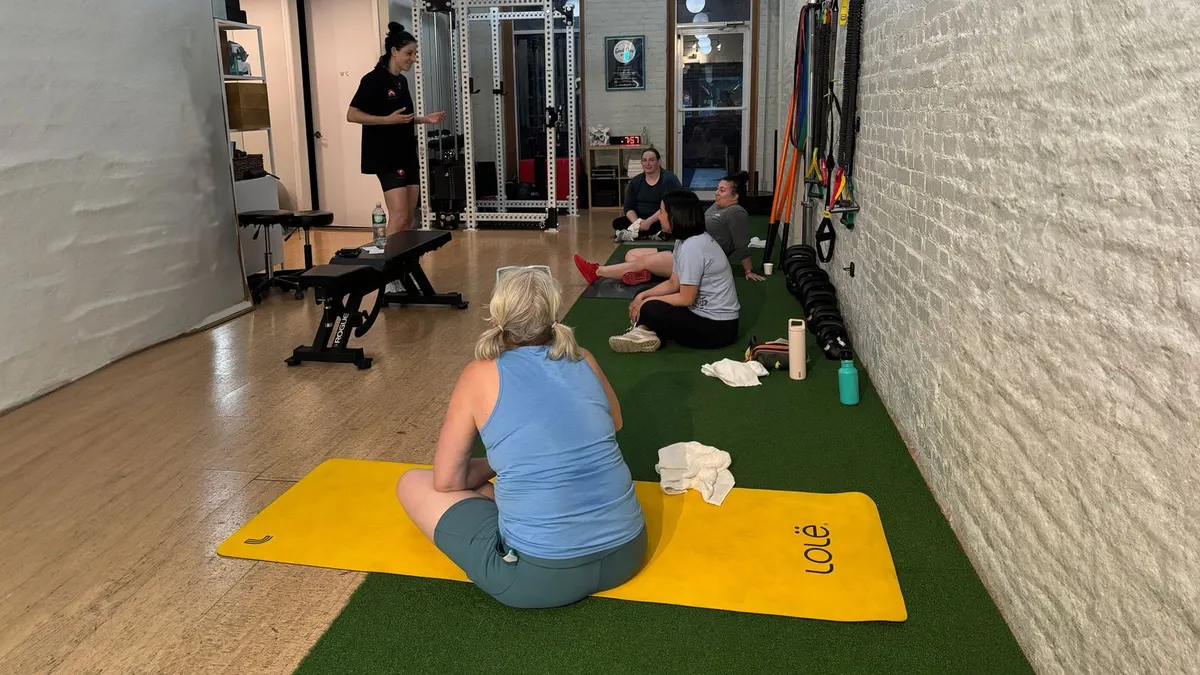
I've watched plenty of genuinely good coaches only ever deliver one side of this: clients with excellent movement quality who still don't love what they see in the mirror, or clients who achieve the flat-stomach look through restriction and call it health. It’s extremely hard to coach one of these well, let alone bridge both performance and aesthetics, but it’s a bridge I’m committed to because I understand the pain.
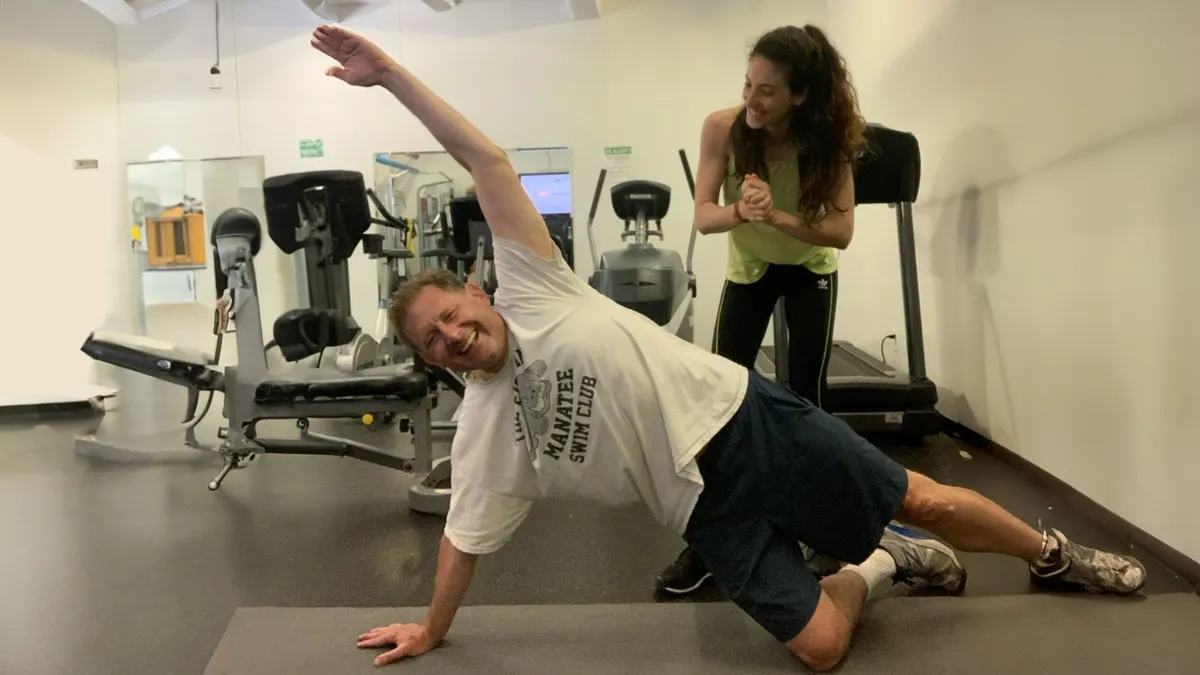
What I hear back most from my own clients isn't that the journey was easy. It's that it was well-paced. That's the actual difference between a result you keep and one you survive.
If body checking, food or how you feel about your body is taking up a lot of your day, please talk to your doctor, or reach out to an eating disorder support line such as ANAD. You don't have to sort it out alone.
If you want both, not one or the other, that's what a Wellness Strategy Session is for. Book here.
Related: Why the Diet Advice You Grew Up With Doesn't Work on Your Body Now · Body checking: what it is and how it affects body image
Key takeaways
- This isn't the story where I learned to love my body regardless of how it looks. It's the story of building a body, mind, and spirit worth being proud of, through years of consistent practice.
- The skill isn't never drifting. It's recognizing when and why, and adjusting quickly.
- The real shift came from changing the question from what do I want my body to look like to how can I perform and feel athletic and well-rounded.
- When I stopped training to look a certain way, I looked better.
Quick answers
Does body checking ever go away?
For me the bad habit didn't go away. My relationship to what I saw did. It started as something disordered, and after years of real work it became just a bad habit.
What do I do when old eating or body image habits come back?
When I'm more stressed or more tired, I'm more likely to drift back toward old patterns without fully realizing it. The skill isn't never drifting. It's recognizing when and why, and adjusting quickly.
This post is general education from my coaching practice. It is not medical advice. Client stories are individual experiences, shared with care, and are not a guarantee of results.